

Platform Boots Comfort: How to Pick a Pair You Can Wear All Day
Platform boots can be very comfortable. The platform lifts your whole foot, not just the heel, so your toes carry less pressure than they would in a standard heel. Comfort still depends on a few details: sole weight, cushioning, arch support, toe room and a heel that stays put. This guide shows you what to check, how to size the boots and how to break them in.
TL;DR
- Platforms are easier on the toes than heels of the same height, because toes and heel are both lifted. Harvard Health makes this point.
- Check four things first: a light, cushioned sole, arch support, toe room and a snug heel.
- Leave a quarter to a half inch between your longest toe and the end of the boot, and try them on in the afternoon.
- Plan for a break-in period. A podiatrist at Baylor College of Medicine puts it at 80 to 100 hours for new boots.
- Made-to-order boots let you set size and color. You can also choose a ready-to-ship pair if you need them fast.
Table of Contents
- Why platform boots often feel better than heels
- What makes a platform boot comfortable
- How to size platform boots
- Fit by body and size
- How to break in platform boots
- Match the boot to the day
- What custom changes
- Perspective
- Shop boots made for your fit
- FAQ
- Sources
Why platform boots often feel better than heels
A classic high heel lifts only the heel. Your weight shifts forward and the ball of the foot takes the pressure. A platform lifts the toes too, so the angle of your foot is gentler.
Harvard Health notes that platform shoes are an exception to the rule that higher heels are worse. Because both toes and heel are elevated, the toes are not under extra stress. The same source adds a caution: step-in platform shoes may make you more likely to twist an ankle.
That caution is the reason to choose a boot with a shaft or a zipper that holds the ankle. A boot that wraps the lower leg gives you more stability than a slip-on shoe on the same platform.
The practical takeaway: the platform helps, but only when the rest of the boot is built well. A thick sole on a stiff, narrow boot is still an uncomfortable boot.

What makes a platform boot comfortable
Use this list when you compare pairs, whether you shop online or in a store.
1. A light sole
Weight is the first thing your legs notice. A heavy sole makes every step a small lift. Lightweight foam midsoles, such as EVA or polyurethane, give you height without the load. They also absorb impact. If a boot feels like a brick in your hand, it will feel the same on your feet at 4 p.m.
2. A flexible, cushioned sole
Harvard Health suggests turning shoes over and examining the sole. You want it sturdy enough to protect you from sharp objects, with some cushioning. Press on it and bend it. A platform that bends a little at the ball of the foot is easier to walk in than one that stays rigid.
3. A gentle pitch
Pitch is the difference between heel height and platform height. A boot with a 4-inch heel on a 2-inch platform has a 2-inch pitch, so your foot sits at a modest slope. A bigger gap means more load on the ball of the foot. When you shop, look at both numbers, not only the heel.
This is also where custom helps. Our custom boots with adjustable heel height let you set the heel to a height you can live in. For more on how heel shapes change the way a boot feels, read our guide to boot heel types.
4. Arch support and a good footbed
A flat, thin insole gives your arch nothing to rest on. Look for a contoured footbed. If you use your own inserts, bring them when you try boots on, because they take up space. Podiatrists generally warn that a lack of arch support can let the foot roll inward.
5. Toe room
Narrow, pointed toe boxes squeeze the toes together. Choose a rounded or square toe if you plan to be on your feet. You should be able to wiggle your toes when you stand.
6. A heel that holds
A stiff heel cup can rub the back of the ankle and cause blisters. A heel that is too loose slides with every step. You want a snug fit with a little movement at first.
7. Grip
Thick soles with smooth bottoms are slippery on tile and wet pavement. Look for a tread pattern. A raised center of gravity makes traction matter more, not less.
How to size platform boots
Sizing is where most comfort problems start. Follow these steps.
- Try them on in the afternoon. Feet swell during the day. Harvard Health recommends shopping later in the day.
- Wear the socks you plan to wear with the boots. Thick winter socks change the fit.
- Leave a quarter to a half inch between your longest toe and the end of the boot. Stand up to check, not just sit.
- Walk around. The heel should fit snugly without pinching or slipping off.
- Allow a little heel slip in new boots. Dr. Esther Jonas, a podiatrist, says in Baylor College of Medicine’s boot guidance that new boots should slip a bit in the heel. If they slip more than an inch, she advises a different size. She also says the boot should be snug enough to hold the arch and heel but not constrictive.
If you are between sizes, the answer is usually the larger size plus a cushioned insert, not a tighter boot you hope will stretch.
Don’t forget the shaft
For tall boots, the calf matters as much as the foot. A shaft that is too tight at the calf is uncomfortable within an hour, and one that is too loose slides down. Our guide to boot shaft heights and the ¼ to 1 inch fit rule explains how to measure before you order.
Fit by body and size
Standard sizing assumes a standard calf, and many women are not standard. If you have a fuller calf or thigh, a shaft that is cut for you will feel different from one that is only stretched. Our guides cover this in detail: how to choose plus size boots and boot shopping tips for curvy women. If a tall boot keeps sliding down, see our plus size fixes for thigh-high boots that slip.

How to break in platform boots
New boots feel stiff. That is normal. Treat the first weeks as part of the process.
Dr. Jonas puts the break-in period for new boots at 80 to 100 hours. In the same Baylor guidance, she suggests these steps:
- Wear two pairs of comfortable athletic socks that come above the ankle.
- Soften leather with a moisturizing leather cream, or with a hair dryer on low heat.
- Use a boot stretcher to widen the toe box.
Some practical additions:
- Wear the boots at home first, for an hour or two at a time, on a hard floor and on carpet. Harvard Health suggests testing shoes on both surfaces.
- Build up. Do a short errand, then a dinner, then a full day.
- Carry a pair of flats the first few times you wear them out.
- Stop if you feel a hot spot. A blister bandage on the heel before you go is easier than treating one later.
For tall boots, our step-by-step guide to breaking in thigh-high boots goes further.
Match the boot to the day
A good boot for a four-hour dinner is not always the right boot for a full day of walking. Podiatrists quoted in the fashion trade press make the same point: shoes should match the demands placed on them.
| Occasion | What to prioritize | What to skip |
|---|---|---|
| Concert or night out | Stable platform, grip, a snug heel | A very high pitch if you will stand for hours |
| Lunch date | Rounded toe, light sole | Stiff, brand-new boots with no break-in |
| Birthday trip or photoshoot | A color or finish that photographs well, a fit you tested | Wearing them for the first time on the day |
| Wedding or formal event | A secure ankle fit, cushioned footbed | Narrow toe boxes if you will dance |
| Travel and sightseeing | Light foam sole, traction, room for socks | Slippery, rigid soles |
For a long day, pack your insoles and a second pair. Comfort is partly planning.
What custom changes
Most comfort problems come from a gap between your body and a standard pattern. A boot that is too tight in the calf, too loose in the heel or the wrong height for your gait is a fit problem, not a style problem.
Made-to-order boots address this at the source. You choose the size and the color, and some styles let you set the heel height. If you want to understand why this is worth considering, read why custom heels are worth the investment. Our piece on when block heels beat stilettos also covers the heel shapes that tend to feel steadier.
For plus size shoppers, our over-sized thigh boots come with a 10 cm heel. They are designed for fuller legs.
Perspective
We hear the same question every week: can I actually wear these boots, not just photograph them? Our answer is yes, if the boot is made for your body.
We design every made-to-order piece around size and color, and we believe fit comes first. A boot that matches your calf, your foot and the heel height you like is the one you keep wearing. That is why we offer custom boots in any size and any color, and why we publish guides on shaft height, heel types and break-in.
Our advice for platform boots: pick the height you can walk in, give them a proper break-in, and choose a fit that holds your heel. Then wear them with confidence. Style and comfort are not a trade-off when the boot is made for you.
Latoya
Shop boots made for your fit
We make custom boots to order in any size or color. If you want a pair fast, we also carry ready-to-ship styles.
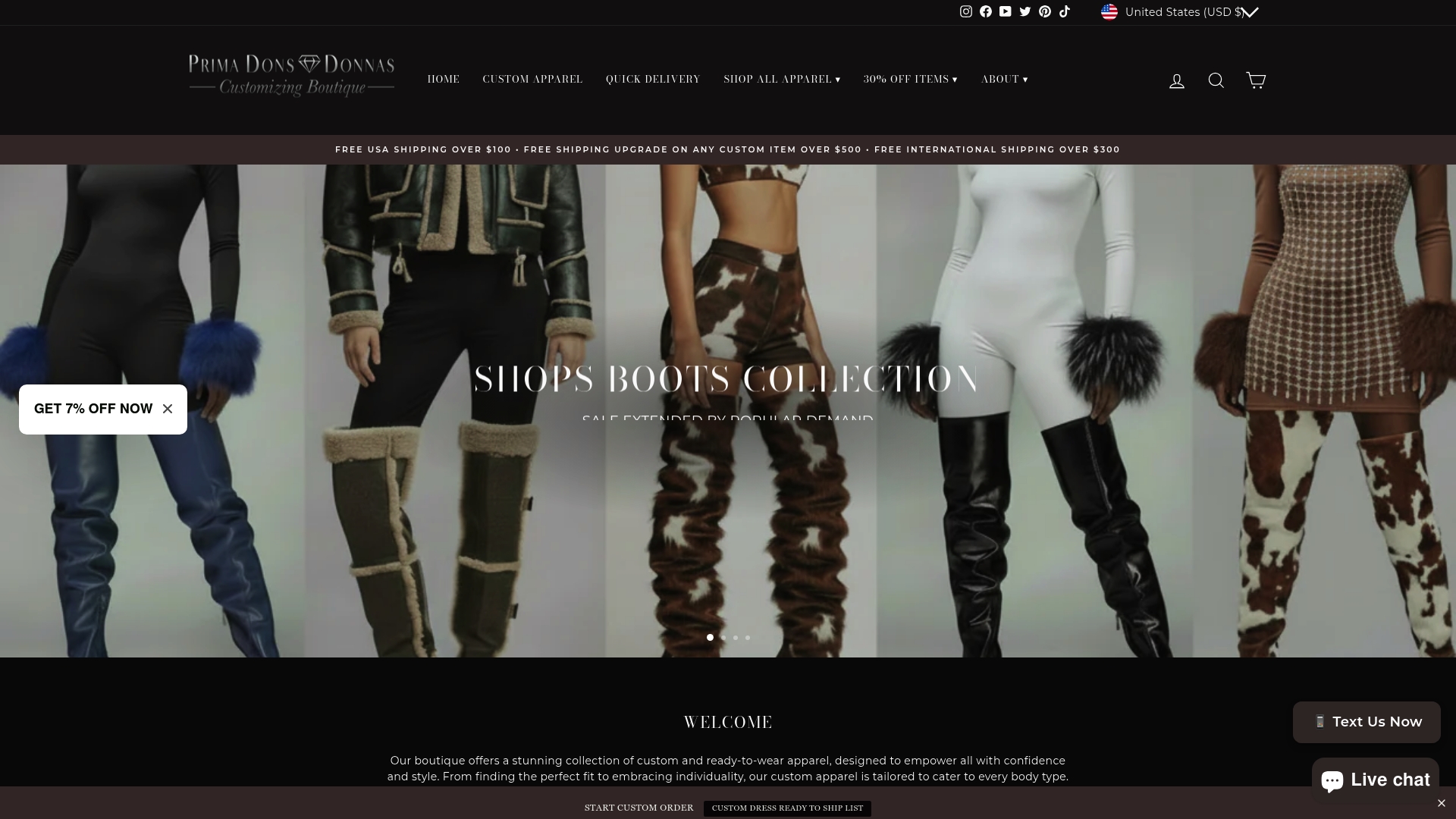
Start with the Custom Boots Collection, or browse ready-to-ship pieces for quick delivery. If you have a date in mind, the customization options list Express Shipping at $103 and the Rush Processing Add-On at $128. Shipping Insurance and Signature Confirmation are $4 each.
FAQ
Are platform boots comfortable for all-day wear?
They can be, when the sole is light and cushioned, the fit is right and the pitch is gentle. Harvard Health notes that platforms spare the toes extra stress because the whole foot is lifted. For a full day of walking, choose a lower platform and break the boots in first.
What are the most comfortable platform boots for women?
Look for features, not a single style. A lightweight foam sole, a contoured footbed, a rounded toe and a secure heel fit matter most. If you cannot find that in a standard size, a made-to-order pair lets you choose size and color to suit your fit.
How long does it take to break in platform boots?
According to podiatrist Dr. Esther Jonas at Baylor College of Medicine, new boots take 80 to 100 hours to break in. Wear them at home first and build up to full days. Athletic socks, leather cream and a boot stretcher can help.
How much room should I leave in the toe?
Leave a quarter to a half inch between your longest toe and the end of the boot, as Harvard Health advises. Check this while standing, with the socks you plan to wear. Your heel should sit snugly without pinching.
Can I wear platform boots if I have a wider calf or plus size legs?
Yes. The key is a shaft that fits your measurements, not one that is forced to stretch. Measure your calf and the height you need before you order. Our plus size boot guides walk you through it.
Sources
- How to find the best shoes for foot pain, Harvard Health
- Boot scoot into the rodeo with comfort, Baylor College of Medicine


Leave a comment