

Luxury Fashion vs Fast Fashion: Impact on Style and Ethics
Deciding between a timeless Parisian silk dress and a trendy top from a fast retailer poses a familiar dilemma for style-conscious women everywhere. The pull between expressing unique identity through personalized luxury fashion and keeping up with fast-changing trends is more than just a question of taste. Understanding how luxury and fast fashion differ in craft, ethics, and sustainability empowers you to make choices that reflect both your values and your personal style.
Table of Contents
- Defining Luxury Fashion and Fast Fashion
- Production Models and Material Quality Compared
- Personalization, Exclusivity, and Wearability Explained
- Environmental and Social Impact Factors
- Cost, Value, and Long-Term Considerations
- Making Ethical and Sustainable Fashion Choices
Key Takeaways
| Point | Details |
|---|---|
| Luxury Fashion vs Fast Fashion | Luxury fashion prioritizes quality, craftsmanship, and exclusivity, while fast fashion focuses on affordability and rapid trend replication. |
| Sustainability and Ethics | Consumers should research brand practices related to sustainability and ethical labor to make informed choices. |
| Long-Term Investment | Investing in luxury pieces can offer greater sustainability and value through durability and timeless style compared to the frequent turnover of fast fashion. |
| Personalized Experience | Luxury brands emphasize personalized customer experiences and unique design, enhancing individual expression compared to the standardized approach of fast fashion. |
Defining Luxury Fashion and Fast Fashion
Fashion represents more than just clothing - it’s a powerful form of cultural expression that evolves continuously through time and individual creativity. Luxury fashion and fast fashion represent two dramatically different approaches to clothing design, production, and consumption, each with unique characteristics and philosophical underpinnings.
Luxury fashion emerges as a sophisticated realm characterized by exceptional craftsmanship, cultural symbolism in design, and meticulous attention to detail. Unlike mass-market alternatives, luxury fashion prioritizes:
- Exceptional material quality
- Intricate handcrafted techniques
- Limited production runs
- Exclusive design aesthetics
- Cultural and artistic significance
In contrast, fast fashion operates on an entirely different model focused on rapid trend replication and affordability. Fast fashion brands prioritize speed-to-market, low production costs, and constantly changing collections that mirror runway trends within weeks of their debut. These brands typically:
- Produce clothing at incredibly fast cycles
- Offer extremely low price points
- Quickly replicate designer trends
- Minimize production complexity
- Target trend-sensitive consumers
The fundamental difference lies not just in price or production method, but in the underlying philosophy. Luxury fashion views clothing as wearable art, while fast fashion sees clothing as disposable commodities to be consumed and discarded rapidly.
Pro tip: Invest in versatile luxury pieces that transcend seasonal trends, creating a sustainable and timeless wardrobe that speaks to your individual style.
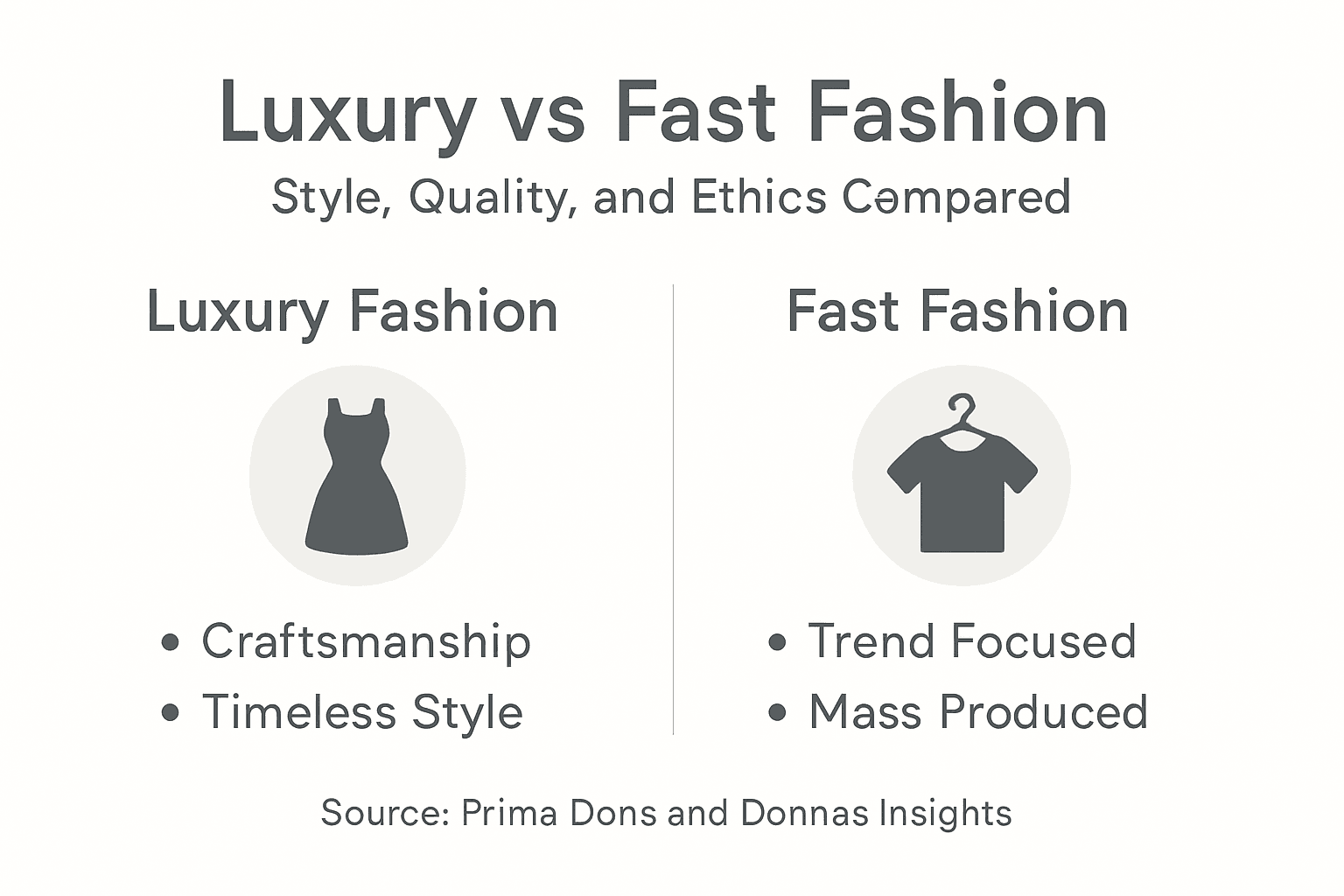
Here is a side-by-side overview of key differences between luxury and fast fashion:
| Aspect | Luxury Fashion | Fast Fashion |
|---|---|---|
| Brand Philosophy | Focuses on artistry and heritage | Prioritizes trend cycles |
| Customer Experience | Highly personalized interactions | Standardized retail model |
| Typical Consumer | Values exclusivity and longevity | Seeks affordability, trends |
| Market Longevity | Maintains relevance for decades | Rapid item turnover |
Production Models and Material Quality Compared
The production approaches of luxury and fast fashion brands represent fundamentally different philosophies of clothing creation, with material quality serving as a critical differentiator. Luxury and fast fashion brands demonstrate distinct sustainability strategies that profoundly impact their manufacturing processes and end products.
Luxury fashion production prioritizes exceptional craftsmanship through meticulous manufacturing techniques that emphasize:
- Handcrafted construction methods
- Premium raw material selection
- Small-batch production runs
- Extensive quality control processes
- Individual artisan involvement
- Longer production timelines
Fast fashion production, by contrast, focuses on rapid manufacturing with key characteristics including:
- Mass production techniques
- Machine-driven assembly lines
- Lower-cost synthetic materials
- Quick design-to-market cycles
- High-volume manufacturing
- Minimal manual intervention
The fundamental difference lies not just in speed or cost, but in the philosophical approach to clothing creation.
Material quality represents another significant divergence between these two fashion models. Luxury brands typically invest in high-grade natural fibers like silk, merino wool, and premium cotton, whereas fast fashion relies more heavily on synthetic, less durable materials designed for short-term use.
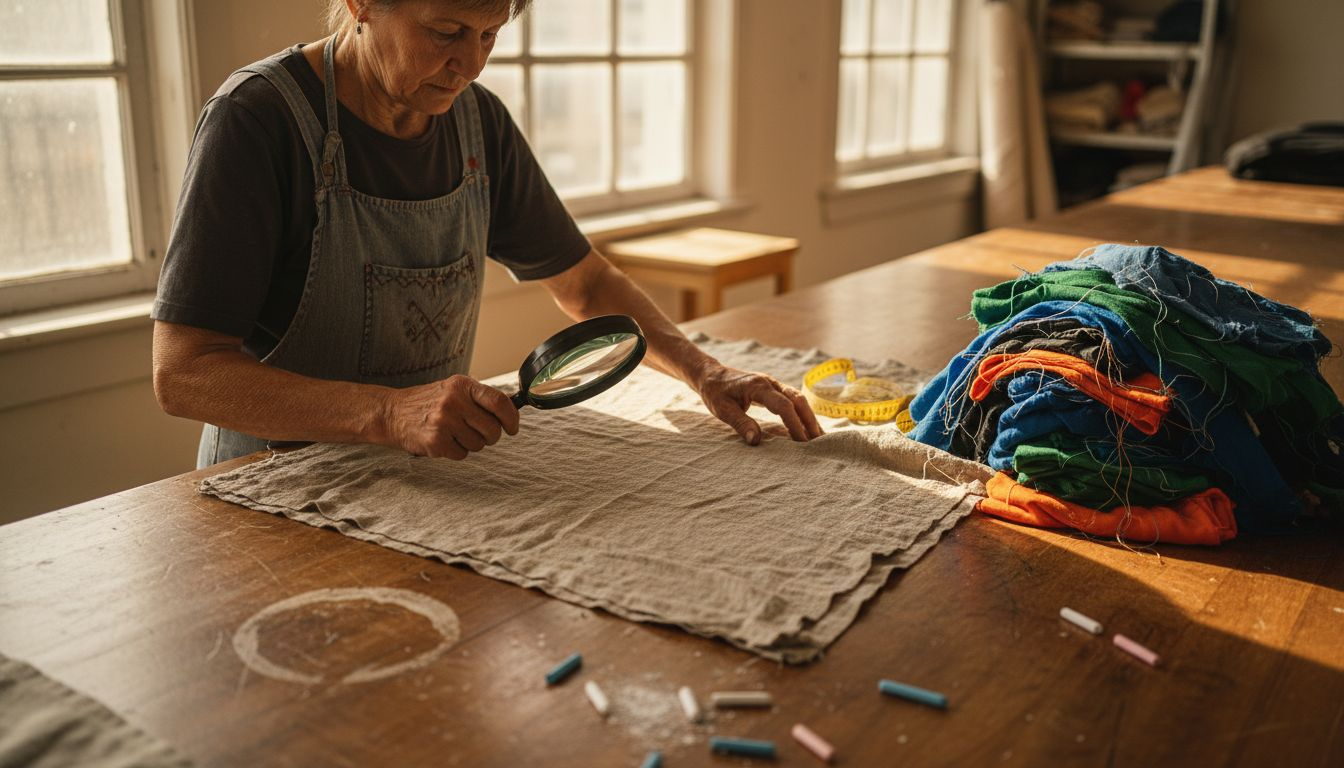
Pro tip: Evaluate clothing investments by examining fabric composition, stitching quality, and the brand’s production transparency to make more informed fashion choices.
Personalization, Exclusivity, and Wearability Explained
Luxury fashion brands prioritize personalized customer experiences that transform clothing from mere garments into individual expressions of identity. The profound difference between luxury and fast fashion lies not just in price, but in the fundamental approach to design, wearability, and personal style.
Personalization in luxury fashion represents a sophisticated journey of individual expression:
- Custom-fit garments tailored to individual body measurements
- Unique color and fabric selections
- One-of-a-kind design modifications
- Consultative design experiences
- Personal styling recommendations
- Limited edition pieces
Exclusivity emerges as another critical differentiator, characterized by:
- Restricted production quantities
- Carefully curated design collections
- Higher price points creating natural barriers
- Invitation-only fashion experiences
- Rare material selections
- Artisan-crafted details
True luxury transcends mere clothing - it becomes a personal narrative of style and individual identity.
Wearability in luxury fashion balances aesthetic sophistication with practical functionality. Unlike fast fashion’s disposable approach, luxury pieces are engineered for longevity, combining comfort, durability, and timeless design to create wardrobe investments that outlast seasonal trends.
Pro tip: Invest in versatile luxury pieces that can be styled multiple ways, maximizing both personal expression and wardrobe functionality.
Environmental and Social Impact Factors
Fashion industry’s environmental challenges highlight critical sustainability differences between luxury and fast fashion brands. The production models not only impact clothing quality but also generate profound ecological and social consequences that extend far beyond consumer perceptions.
Environmental Impact reveals stark contrasts between fashion approaches:
- Water consumption rates
- Chemical pollution levels
- Carbon emission footprints
- Waste generation volumes
- Raw material sourcing practices
- Energy efficiency in production
Social Responsibility factors demonstrate significant variations:
- Labor working conditions
- Fair wage practices
- Employee treatment standards
- Supply chain transparency
- Artisan community support
- Worker safety investments
Sustainable fashion is not just a trend - it’s a critical ethical imperative for global industry transformation.
Luxury fashion increasingly adopts proactive strategies, investing in sustainable sourcing, ethical labor practices, and long-term environmental commitments. Fast fashion, while improving, continues to face significant challenges in creating truly responsible production models that prioritize both human and ecological welfare.
Pro tip: Research brand sustainability reports and choose fashion investments that demonstrate genuine commitment to environmental and social responsibility.
Cost, Value, and Long-Term Considerations
Fashion investment strategies reveal profound differences between luxury and fast fashion consumption models. The true cost of clothing extends far beyond the initial price tag, encompassing durability, versatility, and long-term personal and environmental impact.
Cost Breakdown highlights key financial considerations:
- Initial purchase price
- Cost per wear
- Maintenance expenses
- Replacement frequency
- Potential resale value
- Long-term wardrobe investment
Value Perception varies dramatically between fashion approaches:
- Luxury: Quality-driven investment
- Fast fashion: Trend-focused consumption
- Craftsmanship vs. mass production
- Durability expectations
- Emotional and aesthetic value
- Sustainability impact
True value transcends price - it’s about the story, craftsmanship, and lasting impact of your clothing choices.
Luxury fashion demands higher upfront costs but offers superior longevity and timeless design. Fast fashion provides immediate affordability but typically results in higher cumulative expenses through frequent replacements and lower-quality materials that degrade quickly.
Pro tip: Calculate the cost per wear for potential clothing investments, considering quality, durability, and versatility to make more informed fashion choices.
The following table highlights long-term impacts to consider when choosing between luxury and fast fashion:
| Impact Area | Luxury Fashion | Fast Fashion |
|---|---|---|
| Wardrobe Sustainability | High, due to durability | Low, due to frequent discard |
| Environmental Footprint | Lower per item, higher quality | Higher cumulative waste |
| Economic Value | Strong resale potential | Minimal resale value |
| Social Responsibility | Strong artisan, labor focus | Ongoing labor challenges |
Making Ethical and Sustainable Fashion Choices
Consumer choices can transform fashion’s environmental landscape by understanding the profound impact of individual purchasing decisions. Ethical fashion requires a holistic approach that considers not just aesthetic appeal, but the broader social and ecological implications of clothing production.
Ethical Fashion Selection Criteria include:
- Transparent supply chain practices
- Fair labor compensation
- Sustainable material sourcing
- Minimal environmental footprint
- Commitment to worker rights
- Long-term product durability
Consumer Action Strategies:
- Research brand sustainability reports
- Prioritize quality over quantity
- Support local and artisan designers
- Choose natural and recycled materials
- Invest in timeless, versatile pieces
- Practice clothing repair and upcycling
Sustainable fashion is not a sacrifice, but a powerful statement of personal values and global responsibility.
Understanding the lifecycle of clothing transforms purchasing from a transactional experience to a meaningful choice that reflects personal ethics and global consciousness. By supporting brands committed to transparency and sustainability, consumers become active participants in driving positive industry change.
Pro tip: Develop a capsule wardrobe with high-quality, ethically produced pieces that transcend seasonal trends and minimize environmental impact.
Discover Personalized Luxury That Respects Your Values and Style
The article highlights the challenge of choosing between fast fashion and luxury fashion while balancing style, ethics, and sustainability. Many readers struggle to find clothing that offers exclusivity, quality, and ethical production without sacrificing personal expression or contributing to environmental harm. Terms like handcrafted techniques, sustainable sourcing, and personalization emphasize a growing desire for fashion that transcends disposable trends and supports long-term wardrobe value.
At Prima Dons and Donnas, we understand these concerns deeply. Our made-to-order approach ensures each piece is a statement of confident individuality crafted with care. Offering custom clothing and footwear designed around your size and color preferences lets you embrace bold luxury that fits perfectly and aligns with your values. For customers seeking sustainability, our high-quality faux fur and intentional design choices honor exclusivity while being kind to the planet.
Explore how you can elevate your wardrobe with intentional luxury ready to wear or custom made just for you by visiting Prima Dons and Donnas. Choose fashion that empowers your identity without compromise on ethics or style.
Elevate your wardrobe with uniquely tailored pieces that last beyond trends.
Step into purposeful fashion today by seeing our collections and customizing your statement pieces now at Prima Dons and Donnas. Your journey to sustainable and personal style starts here.
Frequently Asked Questions
What is the main difference between luxury fashion and fast fashion?
Luxury fashion focuses on artistry, exceptional craftsmanship, and exclusivity, while fast fashion emphasizes rapid production, affordability, and trend replication.
How do the environmental impacts differ between luxury and fast fashion?
Luxury fashion generally has a lower environmental footprint due to higher-quality materials and better production practices, whereas fast fashion often results in greater waste and resource depletion due to mass production and lower quality materials.
What should I consider when investing in luxury fashion?
When investing in luxury fashion, consider factors like material quality, durability, cost per wear, and the brand’s commitment to ethical and sustainable practices to ensure a valuable long-term investment.
How can I make more sustainable fashion choices?
To make sustainable fashion choices, prioritize brands with transparent supply chains, invest in high-quality and timeless pieces, support local artisans, and practice clothing repair and upcycling.
Recommended
- 7 Types of Custom Clothing for Bold, Confident Women – Prima Dons & Donnas
- Top Custom Clothing Services – Expert Comparison 2026 – Prima Dons & Donnas
- Why Choose Made-to-Order Fashion: Style, Fit, and Impact – Prima Dons & Donnas
- Sustainable Options in Custom Clothing: What Matters – Prima Dons & Donnas
- Personal Stylists / Red Carpet Experts - Superstar nannies






Leave a comment