

Explaining Special Occasion Outfits: Your 2026 Style Guide
TL;DR:
- Special occasion attire depends on dress code, event context, and personal comfort.
- Understanding these factors ensures appropriate and confident outfit choices for any event.
Special occasion attire is defined by three factors: the dress code, the event context, and your personal comfort. Explaining special occasion outfits means understanding how these three elements work together to guide every choice, from silhouette to fabric to accessories. Whether you are planning for a black tie wedding, a concert, a lunch date, or a birthday celebration, the right outfit starts with reading the situation correctly. Brands like Primadonsanddonnas, style authorities like Vogue, and fashion guides from Elle all confirm that dress code interpretation is the foundation of confident event dressing.
What are common dress codes and their outfit expectations?
Dress codes are formality contracts, not fashion restrictions. Vogue stresses that a dress code defines the expected level of formality, not your personal style. Your personality still shows up in color, accessories, and silhouette choice within those boundaries.
The four most common dress codes for special events break down like this:
- Black tie: Floor-length gowns are the standard. Vogue advises floor-length for black tie events, with structured fabrics like satin, crepe, or velvet. Accessories should be polished and intentional.
- Black tie optional: Floor-length gowns remain the safest choice. Jovani states that formal midis or elegant jumpsuits work here only if the outfit reads as evening-appropriate among floor-length gowns. An office midi is usually too casual.
- Cocktail: Hemlines from knee to mid-calf are appropriate. Elle recommends midi or knee-length dresses with refined accessories to complete the look.
- Semi-formal or dressy casual: Midi dresses, mini dresses, and smart separates all work. Low heels or elegant flats are perfectly acceptable.
Pro Tip: Apply a simple three-pass check before buying any event outfit: hemline length, fabric formality, and accessory scale. These three points translate abstract dress code terms into a concrete yes or no.
| Dress code | Outfit type | Fabric suggestions | Accessory guidance |
|---|---|---|---|
| Black tie | Floor-length gown | Satin, crepe, velvet, beaded | Statement jewelry, clutch, heels |
| Black tie optional | Floor-length gown or formal midi | Satin, structured crepe | Coordinated accessories, evening bag |
| Cocktail | Knee to mid-calf dress | Chiffon, lace, silk blend | Heels or dressy sandals, small bag |
| Semi-formal | Midi, mini, or smart separates | Crepe, chiffon, ponte | Low heels, flats, minimal jewelry |
| Dressy casual | Midi dress or tailored pants | Soft crepe, satin, ponte | Sandals, block heels, simple jewelry |
Fabric quality is the single fastest signal of formality. Satin and velvet read as formalwear instantly. Cotton and jersey read as casual, no matter how elegant the cut.
How does event context influence special occasion outfit choices?
Dress code gives you the formality level. Context tells you everything else. Context-first planning means assessing venue, time of day, weather, and audience before selecting a single piece.
Here is a practical four-step context check you can apply to any event:
- Identify the venue type. An outdoor garden party calls for lighter fabrics and block heels that won’t sink into grass. An indoor ballroom supports floor-length gowns and stilettos without issue. Fabric weight and silhouette both shift based on the setting.
- Consider the time of day. Daytime events favor lighter colors, softer fabrics, and less dramatic accessories. Evening events support deeper tones, metallic accents, and more structured silhouettes. A blush midi dress works beautifully at a 2 p.m. brunch wedding but can feel underdressed at a 7 p.m. formal dinner.
- Factor in the weather. A july outdoor concert requires breathable fabric and practical footwear. A december gala calls for layering options like a tailored wrap or custom outerwear. Ignoring weather is one of the most common outfit planning mistakes.
- Know your audience. Cultural context matters. A traditional church wedding has different expectations than a rooftop cocktail party. When you are unsure, dress one level above what you think is required.
Pro Tip: When attending an event with a mixed or unfamiliar guest list, choose a look that sits at the upper end of the dress code range. It is far easier to remove a jacket than to add formality you did not bring.
Applying context to your planning also helps with personalized occasion styling, where individual event details shape every outfit decision from color to cut.
How to prioritize comfort and fit in special occasion attire?
Comfort is not the opposite of style. An outfit that restricts movement or causes discomfort will affect your confidence and endurance throughout an event. The goal is to find a silhouette that looks formal and feels wearable for three to five hours of standing, sitting, and dancing.
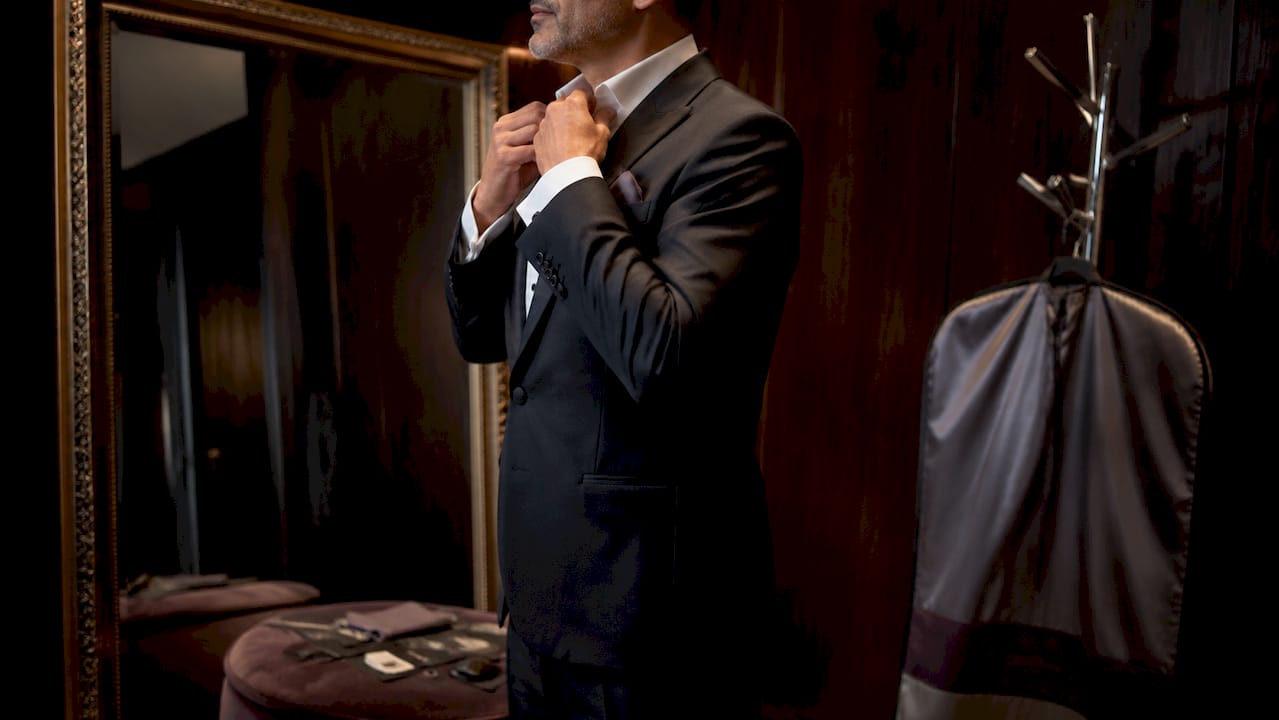
Jovani details the trade-offs between popular silhouettes clearly. Mermaid gowns deliver a dramatic, tailored look but restrict stride length. Choosing a mermaid with a slit or flare at the knee restores movement without sacrificing the silhouette. Ball gowns provide volume and allow full leg movement, making them one of the most comfortable choices for long evenings.
Fit alterations are a standard part of buying special occasion attire. Budget 10–20% of the dress purchase price for alterations. On a $1,000 dress, that means setting aside $150–$200 for tailoring. White Rose Bridal notes that simple hems start around $15, while full wedding dress alterations can range from $250 to over $800 depending on complexity. Schedule your first fitting at least six weeks before the event.
| Alteration type | Estimated cost range |
|---|---|
| Pants or skirt hem | $15–$40 |
| Dress hem | $30–$80 |
| Taking in or letting out seams | $50–$150 |
| Bustle addition | $75–$200 |
| Full wedding dress alterations | $250–$800+ |
For plus size fit, custom tailoring removes the guesswork entirely. A made-to-order dress is cut to your exact measurements, which means no alterations budget needed and no compromising on silhouette. Primadonsanddonnas specializes in custom plus size dresses built to your size and color preferences from the start.
Pro Tip: Always do a movement test before committing to a dress. Sit down, walk across the room, and raise your arms. If any of those actions feel restricted, the fit needs adjustment before the event.
What are current style trends and fabric recommendations for 2026?
The dominant silhouettes for formal events in 2026 are column, mermaid, and ball gowns. Each serves a different body type and event energy. Column gowns work beautifully for sleek, modern black tie looks. Mermaid silhouettes create drama and are ideal for weddings and galas. Ball gowns remain the most classic choice for ultra-formal events.
Fabric is where 2026 trends get specific:
- Satin and silk blends remain the top choice for black tie and cocktail events. They photograph well and hold structure under event lighting.
- Velvet is having a strong moment for fall and winter events. Deep jewel tones in velvet read as luxurious without requiring heavy embellishment.
- Beaded and embellished fabrics work for evening events where you want the dress to do the talking. Keep accessories minimal when the fabric is already detailed.
- Crepe is the most versatile formal fabric. It drapes cleanly, travels well, and suits both cocktail and semi-formal dress codes.
- Avoid cotton and jersey for any evening event. Elle confirms these fabrics read as too casual for semi-formal and above, regardless of the dress style.
Sustainability is a growing factor in 2026 fashion choices. Primadonsanddonnas offers high-quality faux fur options and made-to-order construction, which reduces waste compared to mass production. Personalization and bold custom fashion are defining the 2026 special occasion market, with more women choosing pieces built specifically for their body and event rather than off-the-rack options.
How to build a personal outfit planning framework for any event?
A repeatable planning process removes the stress from special occasion dressing. Luxyora and Dressy Lane both recommend starting with dress code, then layering in context, then confirming comfort before finalizing any outfit choice.
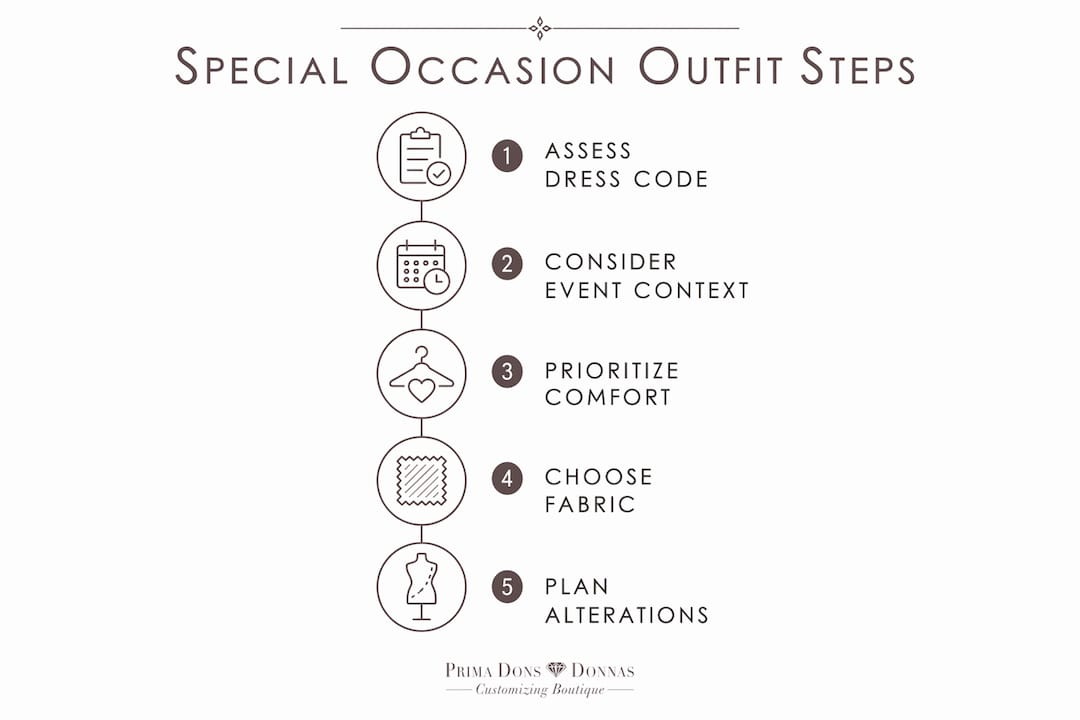
Here is a five-step framework you can use for every event:
- Confirm the dress code. Check the invitation, venue website, or ask the host directly. Never guess when the information is available.
- Assess the event context. Note the venue type, time of day, season, and expected guest profile. These details shape your fabric and silhouette choices.
- Select your silhouette. Match the silhouette to both the formality level and your comfort needs. A ball gown works for a black tie gala. A midi dress works for a semi-formal garden party.
- Choose fabric and color. Formal events call for structured, luxurious fabrics. Daytime events support lighter colors. Evening events support deeper tones and metallics.
- Complete the look with accessories. Accessories can elevate a simpler dress to cocktail level or ground an elaborate gown. Scale your jewelry, bag, and shoes to the formality of the event.
Building personal templates for recurring event types, such as a wedding guest template or a concert outfit formula, saves time and builds confidence. The special occasion outfit checklist from Primadonsanddonnas walks through each of these steps with specific product and styling guidance.
Key takeaways
Special occasion attire works best when dress code, event context, and personal comfort are assessed together before any outfit decision is made.
| Point | Details |
|---|---|
| Dress code sets the formality floor | Black tie requires floor-length gowns; cocktail allows knee to mid-calf hemlines. |
| Context shapes every other choice | Venue, time of day, weather, and audience all influence fabric, color, and silhouette. |
| Fabric signals formality instantly | Satin, crepe, and velvet read as formalwear; cotton and jersey read as casual. |
| Budget for alterations upfront | Set aside 10–20% of the dress price for tailoring to guarantee the right fit. |
| Custom fit removes the guesswork | Made-to-order dresses eliminate alteration costs and fit issues from the start. |
What I have learned about dressing for special occasions
Most outfit regrets come from one of two mistakes: overdressing out of anxiety or underdressing out of overconfidence. I have seen both play out at weddings, galas, and parties, and the fix is the same every time. Read the dress code literally, then let context do the rest of the work.
The advice that changed how I approach event dressing is this: formality and personal style are not the same thing. Vogue makes this point clearly. A black tie dress code tells you the hemline and fabric. It does not tell you the color, the neckline, or the accessories. That space is entirely yours.
Custom tailoring is the single biggest upgrade most women skip. A dress that fits your exact body moves differently, photographs differently, and feels different to wear. For plus size women especially, off-the-rack sizing rarely delivers the silhouette the designer intended. A made-to-order piece built to your measurements does.
My honest advice: stop treating alterations as an afterthought and start treating them as part of the purchase. Budget for them from day one. And if you are going to invest in a statement piece for a major event, invest in one that was made for you.
— Latoya
Custom occasion wear from Primadonsanddonnas
Primadonsanddonnas builds every dress to your exact size, color, and style preferences.
The made-to-order dress collection covers formal gowns, cocktail dresses, and semi-formal styles in a full range of sizes. Each piece uses luxurious fabrics chosen for both appearance and wearability. Plus size options are built from your measurements, not scaled from a standard size. Ready-to-ship styles are also available for faster delivery when your event is coming up soon. For a complete look, the custom apparel collection includes separates and statement pieces that pair with any occasion outfit.
FAQ
What is a special occasion outfit?
A special occasion outfit is attire chosen specifically for a formal or celebratory event, guided by the event’s dress code, venue, and time of day. Common examples include floor-length gowns for black tie events and midi dresses for cocktail or semi-formal occasions.
How do I know what dress code to follow?
Check the invitation for explicit dress code language such as “black tie,” “cocktail attire,” or “dressy casual.” If no dress code is listed, research the venue and ask the host directly rather than guessing.
What fabrics are best for formal special occasions?
Satin, crepe, velvet, and beaded fabrics are the top choices for formal and semi-formal events. Cotton, linen, and jersey read as too casual for evening events, regardless of the dress style.
How much should I budget for dress alterations?
Plan to spend 10–20% of the dress purchase price on alterations. Simple hems start around $15, while full wedding dress alterations can reach $800 or more depending on the complexity of the work needed.
Are plus size formal dresses available in custom sizes?
Yes. Made-to-order brands like Primadonsanddonnas build formal and semi-formal dresses to exact measurements in any size, eliminating the need for standard-size alterations and delivering a fit that matches the intended silhouette.
Recommended
- Master personalized special occasion styling in 2026 – Prima Dons & Donnas
- 7 Steps to Your Ultimate Special Occasion Outfit Checklist – Prima Dons & Donnas
- Bold statement outfit ideas 2026: sustainable custom style – Prima Dons & Donnas
- Guide to expressing style with custom fashion in 2026 – Prima Dons & Donnas


Leave a comment