

Defining Made-to-Order Exclusivity in Fashion
TL;DR:
- Made-to-order fashion involves creating garments only after a customer places a confirmed order, making each piece exclusive. It reduces waste, offers greater customization, and caters to diverse sizes, reflecting personal values and sustainability. Expect longer lead times, possible post-delivery adjustments, and questions about measurements when shopping for made-to-order items.
Made-to-order exclusivity is the practice of crafting a garment or pair of shoes only after a customer places a confirmed order, producing a piece that exists for that person alone. This approach stands apart from off-the-rack fashion, where identical items are manufactured in bulk before any buyer is identified. Defining made-to-order exclusivity matters in 2026 because fashion-conscious women increasingly want clothing that fits their body, reflects their personality, and aligns with their values around sustainability. The result is a wardrobe built on intention, not inventory.
What is defining made-to-order exclusivity in fashion?
Made-to-order exclusivity means no two customers receive the exact same production run. The item you order is made specifically for you, triggered by your confirmed purchase. Mass production works the opposite way: factories build thousands of identical pieces, then hope buyers show up. Made-to-order flips that model entirely. Production starts after order confirmation, which means the finished product inventory stays near zero and every piece carries a built-in sense of rarity.
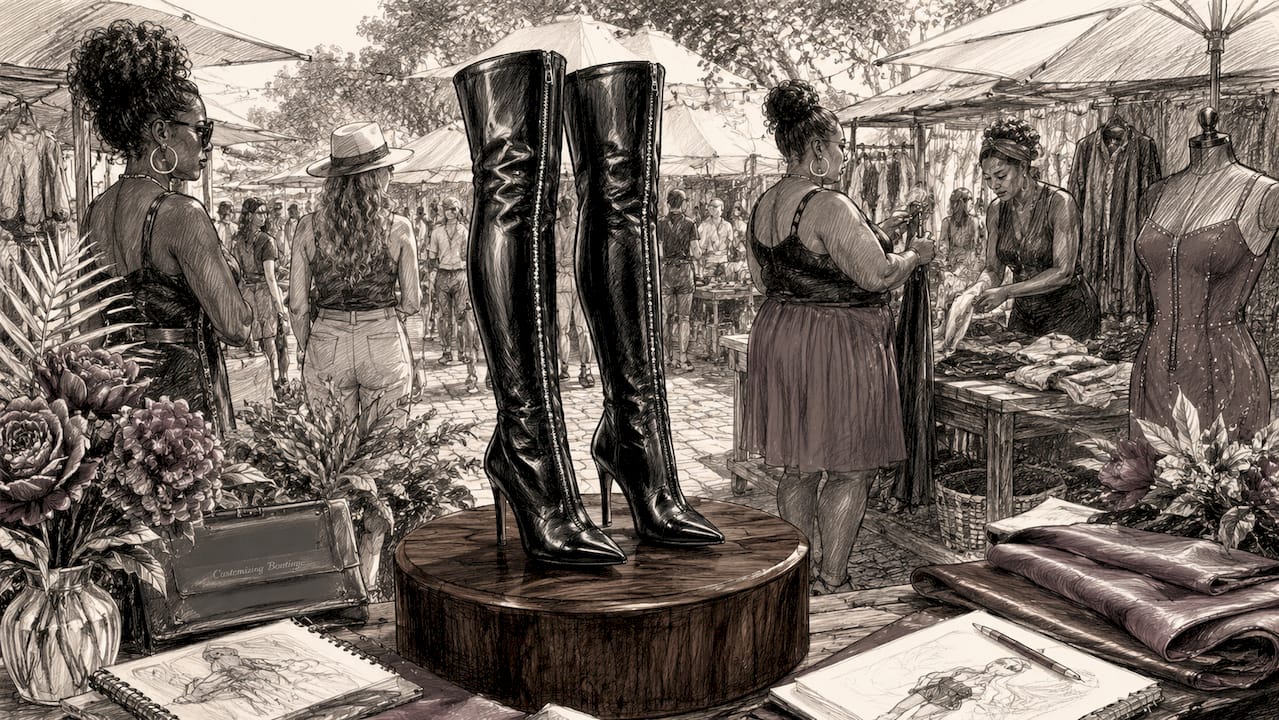
The industry term for this model is Make-to-Order, or MTO. Fashion writers sometimes use “exclusive made-to-order” or “custom made products” to describe the same concept, but MTO is the recognized manufacturing standard. Understanding the term helps you ask the right questions when shopping for personalized pieces, whether that is a party dress, a concert outfit, or custom footwear for a special event.
How does made-to-order differ from made-to-measure and bespoke?
These three terms describe a spectrum of customization, and they are not interchangeable. Knowing the difference sets accurate expectations before you spend your money.
| Method | Starting point | Fit approach | Customization level |
|---|---|---|---|
| Made-to-order | Standard base pattern | Alterations after delivery | Color, size, monogram options |
| Made-to-measure | Your exact measurements | Built to your body from the start | Pattern adjustments plus style choices |
| Bespoke | Full consultation and custom pattern | Entirely unique construction | Unlimited, every detail decided by you |
Made-to-order uses standard sizes with later alterations to achieve fit. You choose from a predefined catalog of colors, sizes, and details. The brand builds your piece after you order, but the underlying pattern is shared across customers who select the same base style.
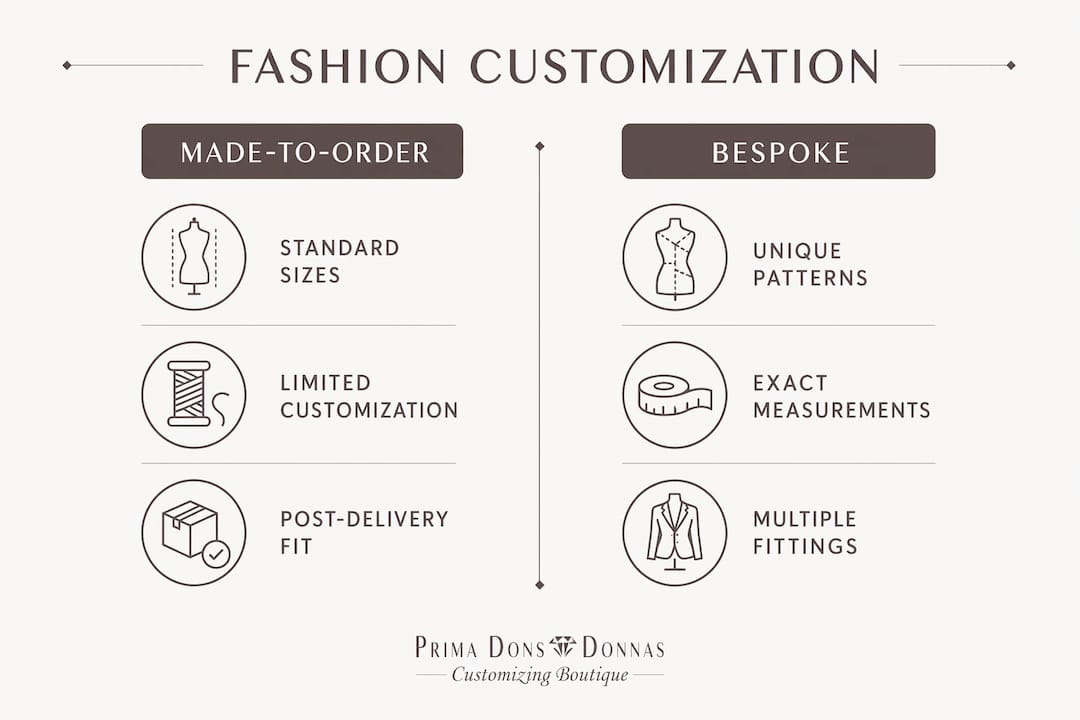
Made-to-measure starts from your specific body measurements. The pattern is adjusted before cutting begins, so the garment arrives closer to a perfect fit without requiring significant tailoring. This process sits between MTO and bespoke on the customization spectrum.
Bespoke is the most intensive process. A tailor creates a unique pattern from scratch based on multiple fittings and consultations. The word “bespoke” originates from Savile Row tailoring tradition, where fabric was said to “be spoken for” the moment a client selected it. True bespoke is rare and commands the highest price point.
- Made-to-order: best for personalized style at accessible price points
- Made-to-measure: best for fit-focused customers who want precision without full bespoke cost
- Bespoke: best for one-of-a-kind pieces with no budget ceiling
Pro Tip: When shopping made-to-order, always ask whether the brand uses your measurements or standard sizing. That single question tells you whether you will need post-delivery tailoring.
What are the advantages of made-to-order for personalized and sustainable style?
The benefits of MTO fashion go beyond owning something unique. They connect directly to how clothing is produced and what that production costs the planet.
Made-to-order reduces waste by manufacturing only confirmed orders. Traditional retail overproduces to fill store shelves, then discounts or destroys unsold inventory. MTO eliminates that cycle entirely. Every yard of fabric cut has a confirmed destination: your wardrobe.
The customization scope in MTO is also broader than most shoppers realize. Clients select from predetermined options including color, size, and monogramming within the brand’s design templates. That means you can order a dress in a color the brand does not stock on the shelf, or request a size that mass retailers simply do not carry. For plus-size customers, this is a significant advantage. MTO caters to diverse sizing needs without the limitations of mass production runs that typically stop at standard sizes.
Key advantages of made-to-order fashion:
- Reduced overproduction. No excess inventory means less fabric waste and lower environmental impact.
- Color and size flexibility. You choose from available options rather than accepting what is on the rack.
- Personalized details. Monograms, custom color combinations, and style variations make each piece distinct.
- Inclusive sizing. MTO naturally accommodates a wider range of body types because each piece is built to order.
- Emotional ownership. Knowing a piece was made for you increases how much you value and care for it.
Sustainability in fashion is not just a trend in 2026. It is a purchasing criterion for a growing number of women who want their wardrobe choices to reflect their values. MTO delivers on that expectation structurally, not just as a marketing claim.
What should you expect when buying made-to-order garments and footwear?
Setting the right expectations before you order prevents disappointment after delivery. MTO is not the same experience as buying off the rack, and that difference shows up in three specific areas.
-
Production timeline. Production begins after order confirmation, which means lead times are longer than standard retail. A dress you order today will not ship tomorrow. Depending on the brand and complexity of the piece, production can take several weeks. Plan ahead for events, especially weddings, concerts, and formal occasions.
-
Fit and tailoring. Made-to-order garments often require post-delivery adjustments for a perfect fit. Unlike made-to-measure, MTO uses standard base patterns. Budget for a local tailor visit after your piece arrives, particularly for structured garments like blazers, fitted dresses, or custom boots.
-
Communication with the brand. Clear communication manages expectations on both sides. Reputable MTO brands provide production updates and estimated ship dates. If a brand goes silent after you order, that is a red flag. Look for brands that confirm your order details, provide a timeline, and respond to questions promptly.
Pro Tip: Order your made-to-order piece at least six to eight weeks before your event. That window covers production, shipping, and any tailoring you might need after delivery.
Understanding the MTO ordering workflow before you purchase removes the guesswork and makes the experience genuinely enjoyable rather than stressful.
How does exclusivity add value to made-to-order fashion?
Exclusivity in fashion is not just about price. It is about the feeling that a piece was created for you and cannot be found on anyone else’s body at the same party.
Exclusivity connects directly to emotional value and perceived uniqueness in consumer behavior. When you know your dress was made after you ordered it, in the color you chose, in your size, that knowledge changes how you wear it. You carry it differently. That confidence is not manufactured by a logo. It comes from the garment’s origin story.
For special occasions, this matters even more. Luxury and special occasion MTO collections are built around the idea that your wedding, your concert, your lunch date deserves something that no one else is wearing. Off-the-rack fashion cannot deliver that guarantee. MTO can.
Key ways exclusivity adds value:
- Brand connection. When a brand builds something specifically for you, the relationship feels personal. That loyalty is earned, not assumed.
- Wardrobe longevity. Pieces you chose deliberately and waited for tend to stay in your closet longer than impulse purchases.
- Identity expression. Your clothing choices signal who you are. A made-to-order piece signals intention and self-awareness.
“A garment made just for you is not a product. It is a decision about who you want to be when you walk into the room.”
Plus-size customers benefit from MTO exclusivity in a particularly concrete way. The fashion industry has historically underserved this market with limited styles and poor fit. MTO removes that ceiling. Every style, every color, every occasion becomes accessible when the piece is built to your specifications.
Key Takeaways
Made-to-order exclusivity is the most direct path to personalized, sustainable fashion that fits your body and reflects your identity.
| Point | Details |
|---|---|
| MTO definition | Production starts only after a confirmed order, making each piece exclusive by design. |
| Fit expectations | MTO uses standard base patterns; plan for post-delivery tailoring for a perfect fit. |
| Sustainability benefit | No overproduction means less fabric waste and no excess inventory to discard. |
| Customization scope | Choose color, size, and personal details from the brand’s available options. |
| Lead time planning | Order six to eight weeks before your event to allow for production and any alterations. |
What I have learned about made-to-order fashion after years of wearing it
The biggest misconception I see is that “made-to-order” means “made to fit perfectly out of the box.” It does not. That is made-to-measure. MTO gives you a piece built after your order, in your chosen options, but the base pattern is still a standard template. I learned this the hard way with a structured blazer that needed two rounds of tailoring before it sat right on my shoulders.
What changed my experience was asking one question before every order: does this brand use my measurements or a standard size? That answer tells you everything about what arrives at your door. Brands that are honest about this upfront are the ones worth your loyalty.
The other thing I want women to understand is that the wait is part of the value. Waiting four to six weeks for a piece that was made for you is not a flaw in the process. It is proof that the process is working. Fast fashion trained us to expect instant gratification, and that expectation is exactly what drives overproduction and waste. Choosing MTO is choosing to opt out of that cycle. Your wardrobe becomes smaller, more intentional, and more you. That trade is worth every day of the lead time.
— Latoya
Primadonsanddonnas: custom fashion built for you
Primadonsanddonnas specializes in made-to-order dresses for every occasion, from weddings and parties to concerts and lunch dates. Every piece is available in custom colors and sizes, including plus sizes, so you never have to settle for what is on the shelf.
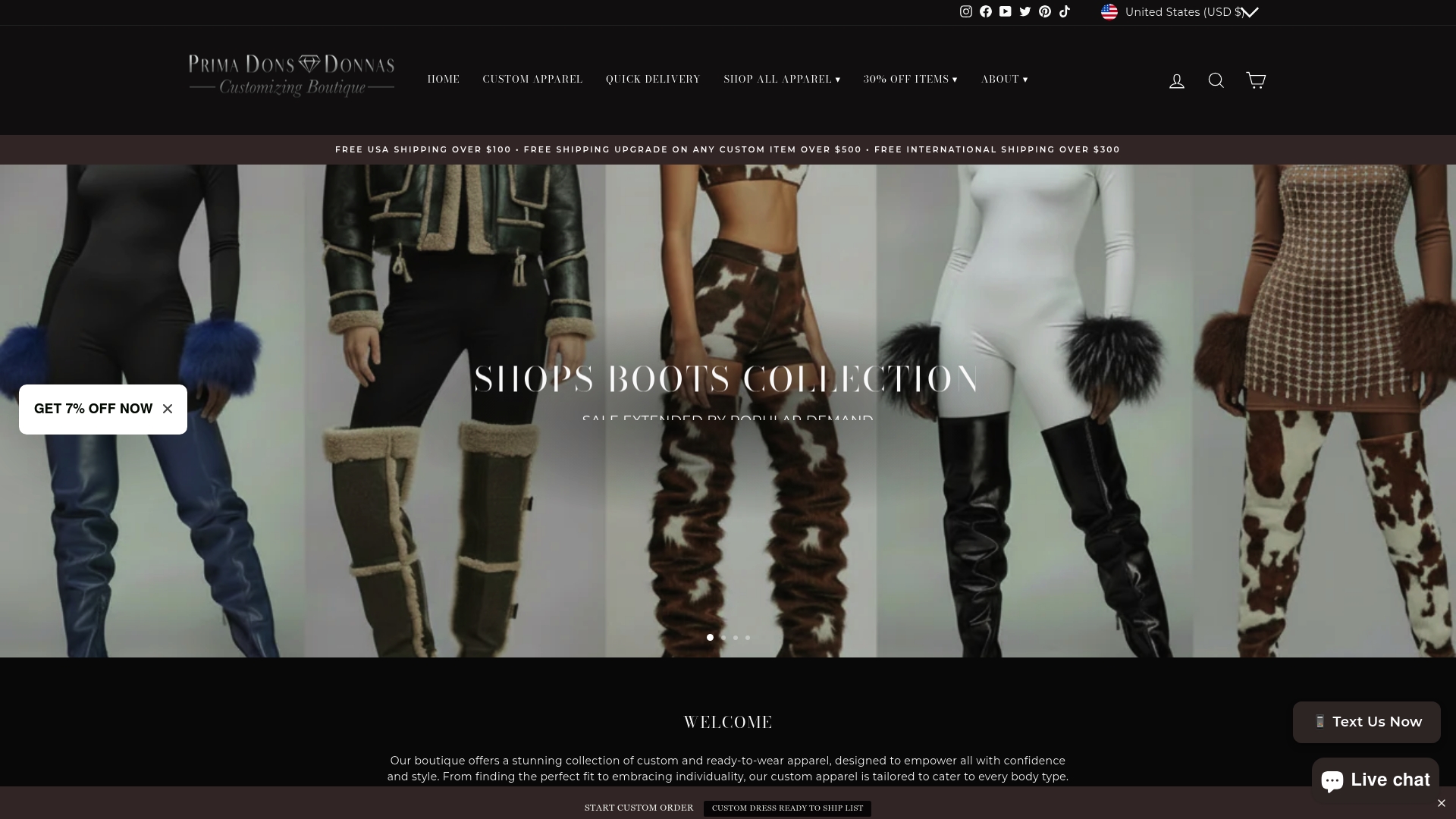
The custom boot collection includes thigh-high styles and plus-size fits built to order, alongside a custom outerwear collection featuring luxury faux fur options for conscious fashion choices. Ready-to-ship pieces are also available for customers who need something fast. Shop the full collection at Primadonsanddonnas and find the piece that was made for you.
FAQ
What does made-to-order mean in fashion?
Made-to-order means a garment or shoe is produced only after a customer places a confirmed order. No item exists in finished form until a purchase triggers production.
Is made-to-order the same as bespoke?
No. Bespoke creates a unique pattern from scratch using your exact measurements and multiple fittings. Made-to-order uses a standard base pattern with customization options selected by the buyer.
Will a made-to-order dress fit perfectly without alterations?
Not always. MTO garments use standard sizing and often require post-delivery tailoring for a precise fit, unlike made-to-measure pieces built from your specific measurements.
How long does made-to-order production take?
Production timelines vary by brand and complexity, but most MTO pieces require several weeks from order confirmation to delivery. Plan ahead, especially for events with fixed dates.
Why is made-to-order considered more sustainable than mass production?
MTO eliminates excess inventory by producing only confirmed orders. That means no overproduction, no unsold stock, and significantly less fabric waste compared to traditional retail manufacturing.
Recommended
- Why Choose Made-to-Order Clothing for Impactful Style – Prima Dons & Donnas
- Why Choose Made-to-Order Fashion: Style, Fit, and Impact – Prima Dons & Donnas
- Exclusive Online Dress Shopping: Personalized Luxury 2026 – Prima Dons & Donnas
- Tips for choosing exclusive designs: your fashion guide – Prima Dons & Donnas


Leave a comment